Small Still Waters
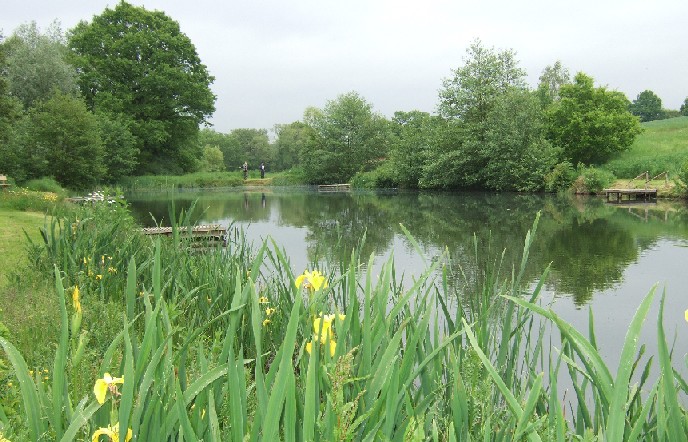
Best time of year: Many fishers make the mistake of not thinking about fishing for trout until the weather warms up, but the best fishing will always be when the water temperature is still cool as this is when oxygen content is highest and consequently when trout are most active and feeding well. So for a small still-water in which the water warms quickly in the spring: March – June; then, late September and October will be best. Look for water temperature from 42 – 55 degrees. Small lakes tend to get too warm in the high summer and the trout become uncooperative.
Ideal weather: a mild overcast day, with a light breeze.
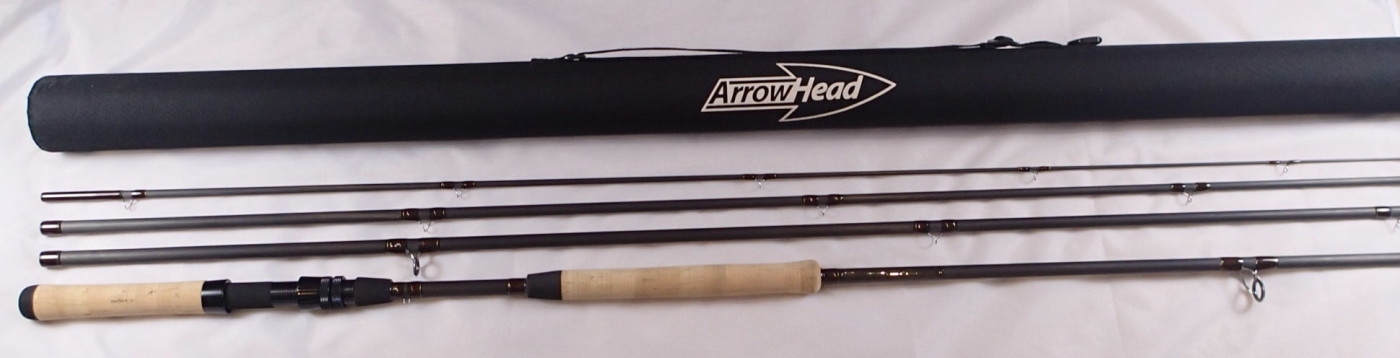
Tackle: 9 – 9 1/2 foot fly rod suited to # 6-7 lines (e.g., ArrowHead 2 9’3” Allrounder)
Line: ArrowHead Twin-line AHT6/7F or DryLine AHD7F
Leader: 5ft level 8lb + 4ft level 6lb (9ft overall), or tapered 9ft ready made to 6lb point
Flies: nymphs and dry flies to imitate species of insects likely to be encountered. Some small ‘lures’ as back up.
Before you go: Telephone the fishery and book your ticket. Don’t be afraid to declare yourself a beginner and ask for advice on where to go and what flies are currently successful.
Where to start: Beginners should choose a stretch of bank with plenty of clear room behind and the wind (if any) blowing from slightly behind. Look for deep water close to the bank.
What to do: Set up your tackle well away from the water’s edge and approach cautiously. Don’t stamp up to the water’s edge and scare the fish away. Start with short casts and cover the available water, alternating casts to the left, to the right and out in front of you. Allow time for the fly to sink well down before starting the retrieve. Hold your rod slightly off to one side, but with the tip very close to the water. This ensures direct contact with the line, allowing you to move the fly in a positive and attractive manner and also helps to hook the fish. Depth and speed of retrieve are usually more important than fly pattern. Cast immediately to any cruising or rising fish within range.
Larger still-waters and reservoirs
Time of year:
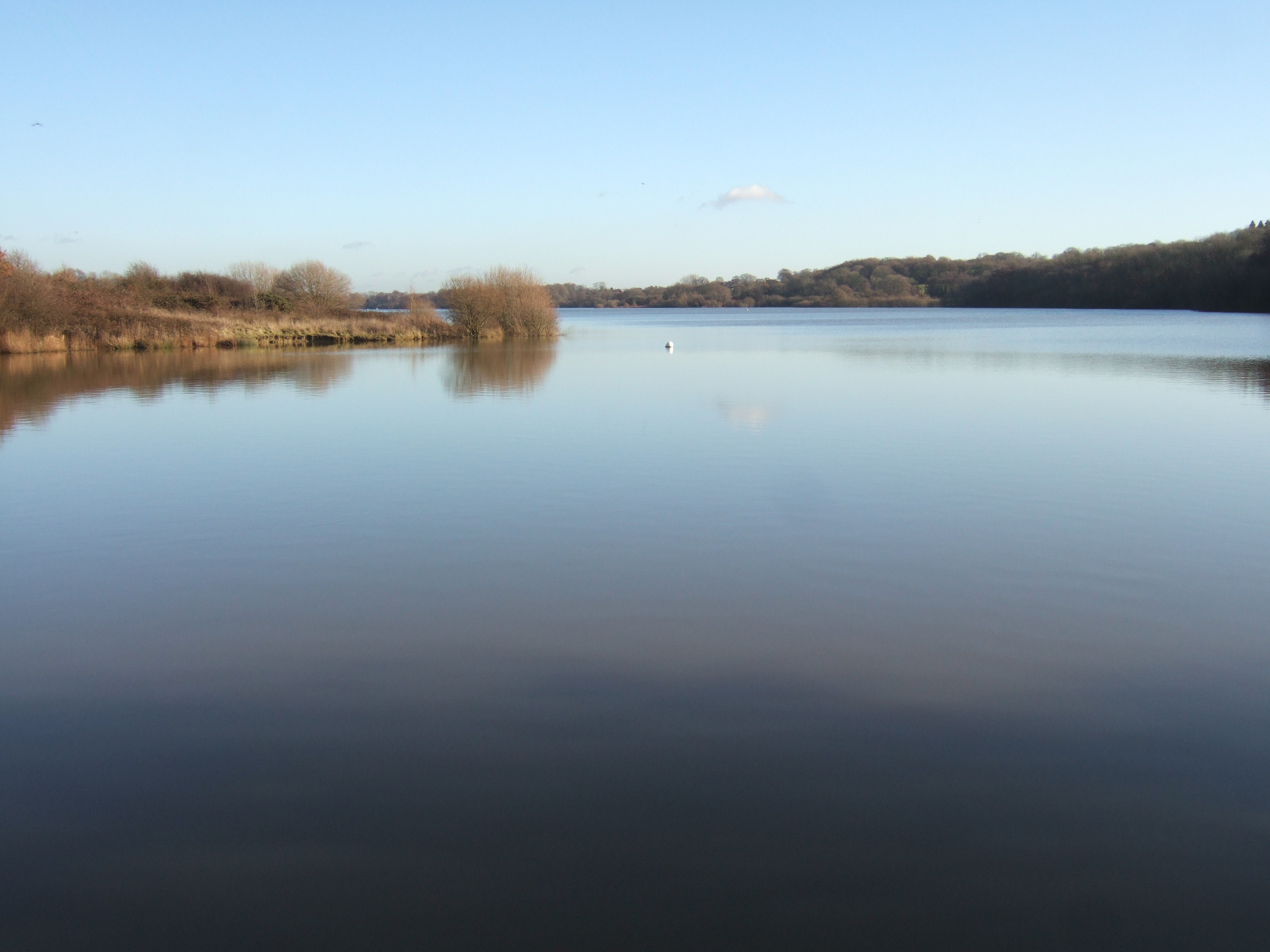
Big and deep still-waters take much longer to warm up and so the best time, ie when the water temperature gets into the mid 40s, starts a bit later than smaller still-waters, usually late March, but also they take longer to warm up and suffer less from weed problems and so in a cool spring can fish well into July. The problem is having warmed up they take a lot of cold nights to cool down again and so rarely produce much good quality fishing until late October and even well into November by which time many are closed.
Ideal Weather: overcast and mild
Tackle: 9 – 10 foot fly rod rated for lines #6-8 (ArrowHead Allrounder or ArrowHead Longbow).
Lines: Early season start with full sinking lines. Move up on to floaters when water temperature reaches 50 degrees.
Leader: 4ft level 10lb + 3ft level 8lb (7ft overall)
Flies: Early season – Lures, boobies, nobblers and deep nymphs. Later use nymphs, caddis, and dries.
Where to start: Aim for deep water (at least 8ft) within casting distance of the bank.
What to do: Early season: Don’t forget to Roll cast your sinking line out of the water prior to the overhead cast. Cast slowly. It takes time for heavy lines and flies to get up to speed. Know how fast your line sinks. When the line lands, count it down in seconds. Search different depths and remember how far down you were when you found fish. Retrieve with long steady pulls. Keep retrieving until the line head or ideal casting length comes back to the rod. Only change the fly when you are certain you have explored a range of depths without success. If one fly is unsuccessful, it’s usually more productive to put on something quite different. If you’re not catching fish, don’t stay put. Move on!
Drift Fishing On A Reservoir
Later on, wait for a day with a nice wave on the water and drift fish from a boat with a drogue. No need to cast a long line but keep the dry sedge wake fishing by lifting the rod and holding it for a moment before re-casting.
Ideal Weather: overcast with a steady breeze.
Line: ArrowHead Twin-Line AHT6/7F or AHT7/8F full floating line
Leader: 4ft 10lb + 4ft 8lb (dropper) + 3ft 6lb (dropper) + 3ft 4lb (12ft overall)
Flies: (1)a good team to start with is a Bibio on top dropper; (2)Shipman’s Buzzer in the middle and (3) a heavy nymph like a gold head GRHE on the point.
Where to start: Aim for deep water (at least 8ft) within casting distance of the bank.
What to do: First, try to find out where the fish are! Start your drift at the windward end of the productive water. Cast into ‘wind lanes (strips of foam-flecked water) where you see them. There is usually no advantage in long casting: you are drifting down towards the fish and they are swimming up the wind towards you. As soon as you can, raise the rod top to bring the top dropper skittering through the waves. Hold the flies in this position for as long as you can before you have to recast. Change flies when you have covered several fish and failed to get a response.
NB Always wear a life jacket when fishing afloat.
Chalk Stream Fishing
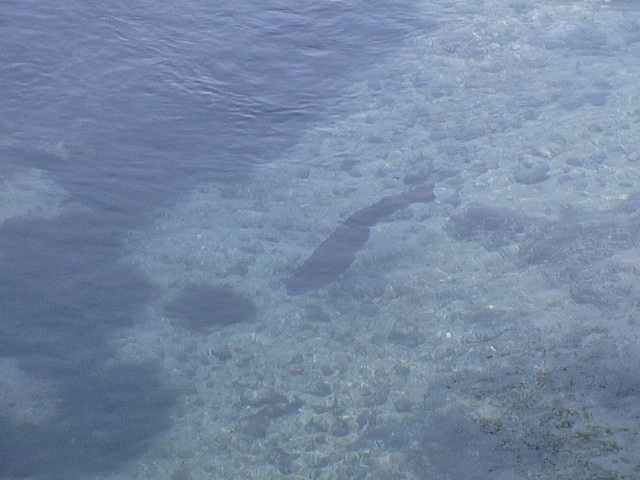
Best time of year: late April to mid-June. Ideal weather: overcast but warm and preferably no wind.
Tackle: 8’ – 9’ rod rated for lines 5 – 6 (e.g. ArrowHead 8’ 9” ‘Stalker’)
Line: ArrowHead DryLine AHD5F
Leader: 9ft ready made tapered leader to 3lb point
Flies: upwing dry flies in sizes 14 down to 20 (e.g., General Purpose Dry Fly)
Before you start: Make sure you know the limits of the beat; the agreed length of your fishing session, bag limit and any special rules of the fishery.
What to do: Always start at the downstream end and don’t be in too much of a hurry. Move stealthily and slowly. Observation is the key. Cast only to rising fish or over particularly interesting water. Try to cast as accurately as possible, aiming to drop your fly 2-3 feet upstream of a rising fish. Have a few casts at each fish before moving on. Your first cast is usually your best chance. Don’t flog away at a ‘no-hoper’. As soon as your fly and line have drifted a few feet downstream past the fish, note any range adjustment that needs to be made, then lift off and cast again quickly.
Leader Design
The job of the leader is to separate the very visible fly line from the fly. It must be constructed to give the best possible continuation of the ‘turnover’ of the fly line (so as to distance the fly from the end of the fly line), while fulfilling certain other practical fishing requirements. The tippet (point) of the leader and knots are the weakest part of the connection between the angler and a hooked fish and must, therefore, be strong enough to land the quarry without an unduly prolonged fight. Fishing too fine is unsporting, in my view, and I have never understood those who consider it clever to attempt to land large fish on precariously fine tackle.
Some anglers go to considerable trouble over leader design and there has been much published in books, in articles and on the internet dealing with this subject. The following will suffice for a beginner, but you will undoubtedly seek refinements as your knowledge and tastes develop.
Small still water trout
5ft level 8lb + 4ft level 6lb (9ft overall), or tapered 9ft ready made to 6lb point
Early season reservoir
4ft level 10lb + 3ft level 8lb (7ft overall)
Drift fishing loch style
4ft 10lb + 4ft 8lb (dropper) + 3ft 6lb (dropper) + 3ft 4lb (12ft overall)
Chalk stream
9ft ready made tapered leader to 3lb point